Buy helixshop.eu ?
We are moving the project
helixshop.eu .
Are you interested in purchasing the domain
helixshop.eu ?
domain@kv-gmbh.de · 0541-91531010
Buy helixshop.eu ?
Does each chromosome contain the entire DNA?
No, each chromosome does not contain the entire DNA. DNA is spread across all the chromosomes in a cell. In humans, there are 23 pairs of chromosomes, with each parent contributing one chromosome to each pair. This means that the DNA in a cell is distributed across all 46 chromosomes. Each chromosome contains a unique set of genes and regulatory elements that contribute to the overall genetic makeup of an organism. **
How do you draw and label a DNA molecule?
To draw a DNA molecule, start by drawing a long, twisted ladder shape with two parallel lines representing the sugar-phosphate backbone. Then, add horizontal lines connecting the two backbones to represent the nitrogenous bases. Label each base (adenine, thymine, cytosine, or guanine) on the appropriate line. Finally, label the 5' and 3' ends of the DNA molecule to indicate the directionality of the strands. **

Similar search terms for Dependable
Top-Angebote
Products related to Dependable:
-
Nonin Medical Reusable PureLight® Flex Sensors For Dependable Readings -Adult Flex Sensor""" Nonin Reusable Finger Oxygen Sensor Regularly keeping your health in check can ensure you a long, healthy life. One of the most important aspects of health is the flow of oxygen and the oxygen levels in your body. The Nonin PureLight pulse..."166,00 $*Shipping: 0,00 $Secure redirect to the provider
-
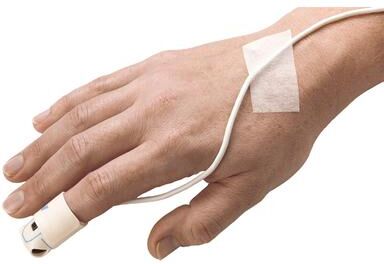
Nonin Medical Reusable PureLight® Flex Sensor 9 Feet For Dependable Readings -Adult Flex Sensor""" Nonin Reusable PureLight® Flex Sensors For Dependable Readings Nonin Medical's Flex Sensor System combines the convenience and performance of a disposable sensor with the economics of a reusable sensor. The reusable Flex Sensor, made of a durable..."185,00 $*Shipping: 0,00 $Secure redirect to the provider
-
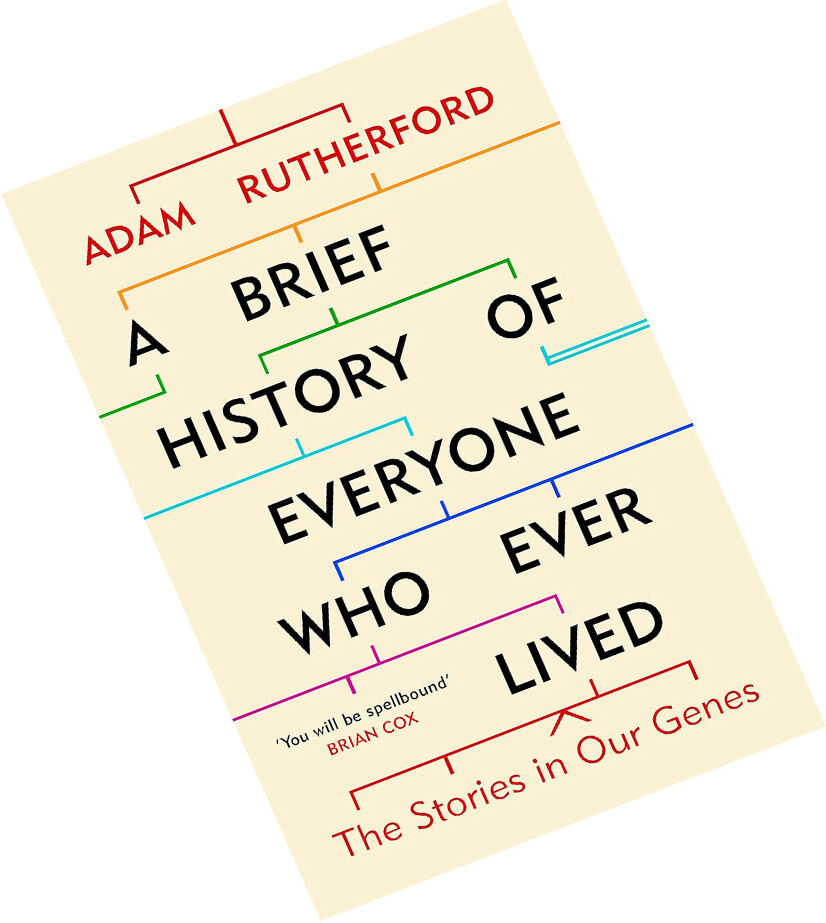
Weidenfeld & Nicolson A Brief History of Everyone Who Ever Lived by Adam Rutherford - Paperback - Popular Science Genetics BestsellerA Brief History of Everyone Who Ever Lived is a captivating exploration of what our DNA reveals about the shared story of humanity. Geneticist and broadcaster Adam Rutherford blends cutting-edge genetics with history to trace migration, disease, war, and love through the code written into every cell. This book is a tour through the expanding landscape of genetic science, showing how our genes encode the history of our species: births, deaths, disease, famine, migration, and countless generations of reproduction. Rutherford examines what genetics can tell us about Neanderthals and our own human history, making this a fascinating read for anyone curious about where we come from and what makes us human. Published by Weidenfeld & Nicolson, this paperback book is a record of an extraordinary journey, and every human genome is a testament to the shared story of our species.4,99 £*Shipping: 2,99 £Secure redirect to the provider
-
Orion Gene Eating: The Story of Human Appetite by Dr Giles Yeo - Paperback Popular Science Book on Genetics, Appetite & Diet MythsGene Eating: The Story of Human Appetite is a thought-provoking book by Dr Giles Yeo, a Cambridge geneticist. In this book, Yeo delves into the biology behind hunger, cravings, and weight gain, drawing on two decades of genetic research. He explores the genuine biological mechanisms, including hormones, brain signalling, and inherited genetic variation, that shape how hungry we feel and how our bodies store energy. This book offers a science-backed perspective on appetite, metabolism, and obesity, making it an essential read for anyone looking for clarity on these topics. Written by Dr Giles Yeo, a molecular geneticist, Gene Eating is a well-researched and insightful book that provides a deeper understanding of the complex issues surrounding human appetite.2,99 £*Shipping: 2,99 £Secure redirect to the provider


-
Why is the depicted DNA molecule only a model?
The depicted DNA molecule is only a model because it is a simplified representation of the complex structure of DNA. In reality, DNA is a three-dimensional molecule that twists and folds in intricate ways. The model shows the basic double helix structure of DNA, but it does not capture all the details and variations that exist in real DNA molecules. Additionally, the model may use colors or other visual aids to represent different components of DNA, which further emphasizes its simplified nature. **
-
What is the relationship between relative DNA content and chromosome set?
The relationship between relative DNA content and chromosome set is that the relative DNA content refers to the amount of DNA present in a cell, while the chromosome set refers to the number and type of chromosomes present in a cell. The relative DNA content is directly related to the chromosome set, as the amount of DNA in a cell is determined by the number and size of its chromosomes. For example, a cell with a diploid chromosome set will have twice the amount of DNA as a cell with a haploid chromosome set. Therefore, the relative DNA content and chromosome set are closely linked and influence each other. **
-
What is the difference between chromosome chromatid and DNA double strand?
A chromosome is a long, continuous strand of DNA that contains many genes, regulatory elements, and other nucleotide sequences. A chromatid is one half of a duplicated chromosome, which is joined to the other half by a centromere. DNA double strand refers to the structure of the DNA molecule, which consists of two complementary strands of nucleotides that are held together by hydrogen bonds. In summary, a chromosome is a long strand of DNA, a chromatid is one half of a duplicated chromosome, and a DNA double strand refers to the structure of the DNA molecule. **
-
How is the coding of DNA into mRNA carried out in genetics?
In genetics, the process of coding DNA into mRNA is carried out through a process called transcription. During transcription, an enzyme called RNA polymerase binds to a specific region of the DNA called the promoter and begins to unwind the DNA double helix. The RNA polymerase then reads the DNA sequence and synthesizes a complementary mRNA strand by adding nucleotides according to the base pairing rules (A with U, G with C, etc.). Once the mRNA strand is synthesized, it is processed and transported out of the nucleus to be translated into a protein by ribosomes. This process is essential for gene expression and the production of functional proteins in the cell. **


What are the advantages of packaging DNA into the transport form of a chromosome?
Packaging DNA into the transport form of a chromosome provides several advantages. First, it allows for the efficient and organized storage of genetic material within the cell. Second, it helps protect the DNA from damage and degradation. Third, it facilitates the accurate segregation of genetic material during cell division. Finally, packaging DNA into chromosomes also allows for the regulation of gene expression and the coordination of cellular processes. **
Why is the acetone molecule a dipole molecule?
The acetone molecule is a dipole molecule because it has a region of partial positive charge and a region of partial negative charge. This is due to the difference in electronegativity between the carbon and oxygen atoms in the molecule. The oxygen atom is more electronegative than the carbon atom, causing it to attract the shared electrons more strongly and acquire a partial negative charge, while the carbon atom becomes partially positive. This unequal distribution of charge creates a dipole moment in the acetone molecule, making it a dipole molecule. **
Top-Angebote
Products related to Dependable:
-
Nonin Medical Neonatal Flex Sensor + Reusable PureLight Flex Sensors For Dependable Readings""" Baby Oxygen Saturation Sensor A child is most sensitive to the environment when it is first born, so monitoring a baby's oxygen level is one of the most important tasks in making sure that the baby is doing fine. The baby pulse oximeter sensor is..."130,00 $*Shipping: 0,00 $Secure redirect to the provider
-
Nonin Medical Infant Flex Sensor + Reusable PureLight® Flex Sensors For Dependable Readings""" Infant Spo2 Monitor Sensor No matter how old you are, it is important to keep track of health issues, especially oxygen levels. While there are different types of oximeter sensors for adults, children require a special type of sensor that can fit..."139,00 $*Shipping: 0,00 $Secure redirect to the provider
-
Nonin Medical Reusable PureLight® Flex Sensors For Dependable Readings -Adult Flex Sensor""" Nonin Reusable Finger Oxygen Sensor Regularly keeping your health in check can ensure you a long, healthy life. One of the most important aspects of health is the flow of oxygen and the oxygen levels in your body. The Nonin PureLight pulse..."166,00 $*Shipping: 0,00 $Secure redirect to the provider
-
Nonin Medical Reusable PureLight® Flex Sensor 9 Feet For Dependable Readings -Adult Flex Sensor""" Nonin Reusable PureLight® Flex Sensors For Dependable Readings Nonin Medical's Flex Sensor System combines the convenience and performance of a disposable sensor with the economics of a reusable sensor. The reusable Flex Sensor, made of a durable..."185,00 $*Shipping: 0,00 $Secure redirect to the provider
-
Does each chromosome contain the entire DNA?
No, each chromosome does not contain the entire DNA. DNA is spread across all the chromosomes in a cell. In humans, there are 23 pairs of chromosomes, with each parent contributing one chromosome to each pair. This means that the DNA in a cell is distributed across all 46 chromosomes. Each chromosome contains a unique set of genes and regulatory elements that contribute to the overall genetic makeup of an organism. **
-
How do you draw and label a DNA molecule?
To draw a DNA molecule, start by drawing a long, twisted ladder shape with two parallel lines representing the sugar-phosphate backbone. Then, add horizontal lines connecting the two backbones to represent the nitrogenous bases. Label each base (adenine, thymine, cytosine, or guanine) on the appropriate line. Finally, label the 5' and 3' ends of the DNA molecule to indicate the directionality of the strands. **
-
Why is the depicted DNA molecule only a model?
The depicted DNA molecule is only a model because it is a simplified representation of the complex structure of DNA. In reality, DNA is a three-dimensional molecule that twists and folds in intricate ways. The model shows the basic double helix structure of DNA, but it does not capture all the details and variations that exist in real DNA molecules. Additionally, the model may use colors or other visual aids to represent different components of DNA, which further emphasizes its simplified nature. **
-
What is the relationship between relative DNA content and chromosome set?
The relationship between relative DNA content and chromosome set is that the relative DNA content refers to the amount of DNA present in a cell, while the chromosome set refers to the number and type of chromosomes present in a cell. The relative DNA content is directly related to the chromosome set, as the amount of DNA in a cell is determined by the number and size of its chromosomes. For example, a cell with a diploid chromosome set will have twice the amount of DNA as a cell with a haploid chromosome set. Therefore, the relative DNA content and chromosome set are closely linked and influence each other. **
Similar search terms for Dependable
-
Weidenfeld & Nicolson A Brief History of Everyone Who Ever Lived by Adam Rutherford - Paperback - Popular Science Genetics BestsellerA Brief History of Everyone Who Ever Lived is a captivating exploration of what our DNA reveals about the shared story of humanity. Geneticist and broadcaster Adam Rutherford blends cutting-edge genetics with history to trace migration, disease, war, and love through the code written into every cell. This book is a tour through the expanding landscape of genetic science, showing how our genes encode the history of our species: births, deaths, disease, famine, migration, and countless generations of reproduction. Rutherford examines what genetics can tell us about Neanderthals and our own human history, making this a fascinating read for anyone curious about where we come from and what makes us human. Published by Weidenfeld & Nicolson, this paperback book is a record of an extraordinary journey, and every human genome is a testament to the shared story of our species.4,99 £*Shipping: 2,99 £Secure redirect to the provider
-
Orion Gene Eating: The Story of Human Appetite by Dr Giles Yeo - Paperback Popular Science Book on Genetics, Appetite & Diet MythsGene Eating: The Story of Human Appetite is a thought-provoking book by Dr Giles Yeo, a Cambridge geneticist. In this book, Yeo delves into the biology behind hunger, cravings, and weight gain, drawing on two decades of genetic research. He explores the genuine biological mechanisms, including hormones, brain signalling, and inherited genetic variation, that shape how hungry we feel and how our bodies store energy. This book offers a science-backed perspective on appetite, metabolism, and obesity, making it an essential read for anyone looking for clarity on these topics. Written by Dr Giles Yeo, a molecular geneticist, Gene Eating is a well-researched and insightful book that provides a deeper understanding of the complex issues surrounding human appetite.2,99 £*Shipping: 2,99 £Secure redirect to the provider
-
W&N (Weidenfeld & Nicolson) Professor Tim Spector 2 Books Collection Set - The Diet Myth & Identically Different - Paperback Science Books - Gut Health & GeneticsThis 2-book collection set brings together two of Professor Tim Spector's most acclaimed works of popular science. The Diet Myth explores the world of gut bacteria and why fad diets fail, while Identically Different investigates how genes are more flexible than once believed. The books form a compelling pairing for anyone interested in health, biology, and what shapes who we are. The Diet Myth challenges conventional wisdom on fat, calories, vitamins, and nutrients by examining the trillions of microbes living inside us. Drawing on cutting-edge science and the author's pioneering research, this collection offers a thought-provoking look at the complex relationships between our bodies and the world around us. The books are published by Weidenfeld & Nicolson and are in brand new paperback format.8,99 £*Shipping: 2,99 £Secure redirect to the provider
-
What is the difference between chromosome chromatid and DNA double strand?
A chromosome is a long, continuous strand of DNA that contains many genes, regulatory elements, and other nucleotide sequences. A chromatid is one half of a duplicated chromosome, which is joined to the other half by a centromere. DNA double strand refers to the structure of the DNA molecule, which consists of two complementary strands of nucleotides that are held together by hydrogen bonds. In summary, a chromosome is a long strand of DNA, a chromatid is one half of a duplicated chromosome, and a DNA double strand refers to the structure of the DNA molecule. **
-
How is the coding of DNA into mRNA carried out in genetics?
In genetics, the process of coding DNA into mRNA is carried out through a process called transcription. During transcription, an enzyme called RNA polymerase binds to a specific region of the DNA called the promoter and begins to unwind the DNA double helix. The RNA polymerase then reads the DNA sequence and synthesizes a complementary mRNA strand by adding nucleotides according to the base pairing rules (A with U, G with C, etc.). Once the mRNA strand is synthesized, it is processed and transported out of the nucleus to be translated into a protein by ribosomes. This process is essential for gene expression and the production of functional proteins in the cell. **
-
What are the advantages of packaging DNA into the transport form of a chromosome?
Packaging DNA into the transport form of a chromosome provides several advantages. First, it allows for the efficient and organized storage of genetic material within the cell. Second, it helps protect the DNA from damage and degradation. Third, it facilitates the accurate segregation of genetic material during cell division. Finally, packaging DNA into chromosomes also allows for the regulation of gene expression and the coordination of cellular processes. **
-
Why is the acetone molecule a dipole molecule?
The acetone molecule is a dipole molecule because it has a region of partial positive charge and a region of partial negative charge. This is due to the difference in electronegativity between the carbon and oxygen atoms in the molecule. The oxygen atom is more electronegative than the carbon atom, causing it to attract the shared electrons more strongly and acquire a partial negative charge, while the carbon atom becomes partially positive. This unequal distribution of charge creates a dipole moment in the acetone molecule, making it a dipole molecule. **
* All prices are inclusive of VAT and, if applicable, plus shipping costs. The offer information is based on the details provided by the respective shop and is updated through automated processes. Real-time updates do not occur, so deviations can occur in individual cases. ** Note: Parts of this content were created by AI.