Buy helixshop.eu ?
We are moving the project
helixshop.eu .
Are you interested in purchasing the domain
helixshop.eu ?
domain@kv-gmbh.de · 0541-91531010
Buy helixshop.eu ?
Why is the acetone molecule a dipole molecule?
The acetone molecule is a dipole molecule because it has a region of partial positive charge and a region of partial negative charge. This is due to the difference in electronegativity between the carbon and oxygen atoms in the molecule. The oxygen atom is more electronegative than the carbon atom, causing it to attract the shared electrons more strongly and acquire a partial negative charge, while the carbon atom becomes partially positive. This unequal distribution of charge creates a dipole moment in the acetone molecule, making it a dipole molecule. **
Is octane a dipole molecule or a nonpolar molecule?
Octane is a nonpolar molecule. This is because it consists of only carbon and hydrogen atoms, which have similar electronegativities and therefore do not create a significant difference in charge distribution within the molecule. As a result, there is no separation of positive and negative charges, making it nonpolar. **

Similar search terms for Molecule
Top-Angebote
Products related to Molecule:
-
Orion Gene Eating: The Story of Human Appetite by Dr Giles Yeo - Paperback Popular Science Book on Genetics, Appetite & Diet MythsGene Eating: The Story of Human Appetite is a thought-provoking book by Dr Giles Yeo, a Cambridge geneticist. In this book, Yeo delves into the biology behind hunger, cravings, and weight gain, drawing on two decades of genetic research. He explores the genuine biological mechanisms, including hormones, brain signalling, and inherited genetic variation, that shape how hungry we feel and how our bodies store energy. This book offers a science-backed perspective on appetite, metabolism, and obesity, making it an essential read for anyone looking for clarity on these topics. Written by Dr Giles Yeo, a molecular geneticist, Gene Eating is a well-researched and insightful book that provides a deeper understanding of the complex issues surrounding human appetite.2,99 £*Shipping: 2,99 £Secure redirect to the provider
-
W&N (Weidenfeld & Nicolson) Professor Tim Spector 2 Books Collection Set - The Diet Myth & Identically Different - Paperback Science Books - Gut Health & GeneticsThis 2-book collection set brings together two of Professor Tim Spector's most acclaimed works of popular science. The Diet Myth explores the world of gut bacteria and why fad diets fail, while Identically Different investigates how genes are more flexible than once believed. The books form a compelling pairing for anyone interested in health, biology, and what shapes who we are. The Diet Myth challenges conventional wisdom on fat, calories, vitamins, and nutrients by examining the trillions of microbes living inside us. Drawing on cutting-edge science and the author's pioneering research, this collection offers a thought-provoking look at the complex relationships between our bodies and the world around us. The books are published by Weidenfeld & Nicolson and are in brand new paperback format.8,99 £*Shipping: 2,99 £Secure redirect to the provider
-
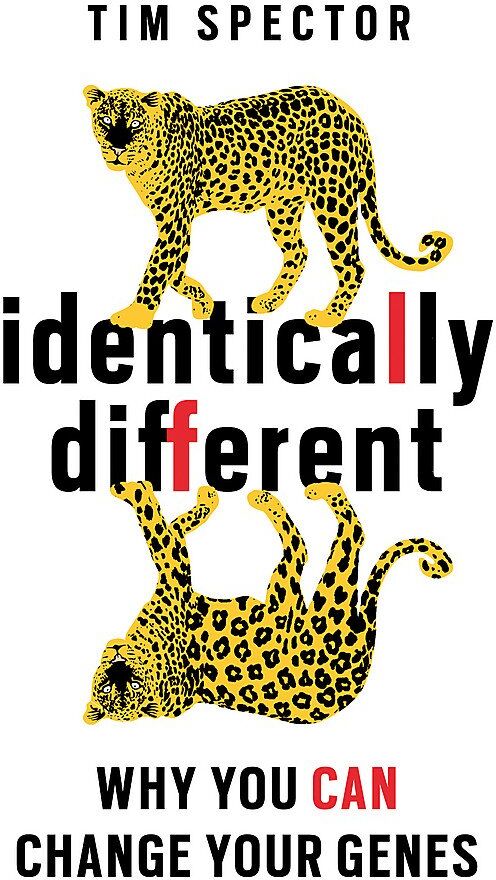
W&N (Weidenfeld & Nicolson) Identically Different: Why You Can Change Your Genes by Professor Tim Spector - Paperback - Popular Science Book on Epigenetics & Genetics for AdultsProfessor Tim Spector's 'Identically Different: Why You Can Change Your Genes' is a groundbreaking work of popular science that challenges what readers thought they knew about heredity. Drawing on decades of research into twins, epigenetics and the microbiome, Spector reveals that our genes are far less fixed than once believed. This paperback is ideal for science-curious adults, students of biology and medicine, and anyone wanting to understand how lifestyle and environment can reshape who we become, physically and behaviourally, across a lifetime. As one of the world's leading experts on twin studies, Tim Spector spent years comparing identical twins who share exactly the same DNA yet often lead startlingly different lives, developing different diseases, personalities and even political views. In 'Identically Different', he uses this research to explore the complex relationship between genetics and lifestyle, offering a fresh perspective on the nature of heredity and the potential for personal change. Published by W&N; (Weidenfeld & Nicolson), this book is a thought-provoking read for anyone interested in the latest scientific discoveries and their implications for our understanding of the human experience.2,99 £*Shipping: 2,99 £Secure redirect to the provider
-
Actafarma Revidox DNA 28Nutrition and Supplements Special supplements Actafarma Revidox DNA 28 What is Actafarma Revidox DNA? Actafarma Revidox DNA is a cutting-edge dietary supplement designed to act at the cellular level and combat aging from within. Thanks to its advanced formula, which includes resveratrol , red grape extract (Stilvid) , and other powerful antioxidants, this product helps protect cellular DNA from oxidative damage caused by free radicals. This supplement helps maintain cellular health, promotes longevity, and improves the appearance of the skin, providing a comprehensive solution for those who want to preserve their youth naturally and effectively. Its antioxidant action makes it one of the most innovative products in current nutricosmetics. Who is it for? Actafarma Revidox ADN is indicated for: Adults seeking to prevent premature aging and improve cellular health. Those who wish to complement their beauty routine with an internally acting product. Men and women concerned about the effects of oxidative stress on their bodies. People exposed to factors such as pollution, stress, or poor diet, which accelerate cellular aging. Individuals who wish to protect their DNA and improve their overall long-term well-being. How do I apply it? Using Actafarma Revidox DNA is very simple. Just follow these instructions: Take 1 capsule daily, preferably in the morning with a glass of water. It is recommended to maintain a consistent daily intake for visible medium- and long-term results. Do not exceed the recommended dose unless professionally directed. It can be taken year-round or in treatment cycles according to individual needs. Use of the product. Actafarma Revidox DNA acts as a deep cellular antioxidant , offering key benefits such as: Protects DNA from oxidative damage caused by free radicals. Helps maintain youthful, radiant, and better-textured skin. Supports the immune system and overall well-being. Helps delay the signs of premature aging at the cellular level. Patented formula (Stilvid) with clinical studies supporting its effectiveness. Buy Actafarma Revidox DNA If you're looking for an effective and natural way to care for your skin, your cellular health, and combat aging from within, Actafarma Revidox ADN is your best ally. Its innovative composition with resveratrol and natural extracts guarantees superior and long-lasting antioxidant action. Actafarma Revidox DNA has become a benchmark in anti-aging care thanks to its exclusive, patented formula , backed by scientific studies. It's ideal for those who want to take care of their body from the inside out, with visible results on the outside. Advantages of buying Actafarma Revidox ADN: Combats aging from the core of the cell. Natural and scientifically backed formula. Just one capsule a day, easy to integrate into your routine. Visible improvement in skin, energy, and overall well-being. High-quality product from the renowned brand Actafarma. Don't wait any longer to include Actafarma Revidox DNA in...32,77 £*Shipping: 3,99 £Secure redirect to the provider



-
How does a hydrocarbon molecule react with an oxygen molecule?
When a hydrocarbon molecule reacts with an oxygen molecule, it undergoes a process called combustion. During combustion, the hydrocarbon molecule combines with the oxygen molecule to produce carbon dioxide and water, releasing energy in the form of heat and light. This reaction is exothermic, meaning it releases more energy than it consumes, making it a key process in many natural and industrial processes, such as burning fossil fuels for energy production. **
-
How do you draw and label a DNA molecule?
To draw a DNA molecule, start by drawing a long, twisted ladder shape with two parallel lines representing the sugar-phosphate backbone. Then, add horizontal lines connecting the two backbones to represent the nitrogenous bases. Label each base (adenine, thymine, cytosine, or guanine) on the appropriate line. Finally, label the 5' and 3' ends of the DNA molecule to indicate the directionality of the strands. **
-
Why is the depicted DNA molecule only a model?
The depicted DNA molecule is only a model because it is a simplified representation of the complex structure of DNA. In reality, DNA is a three-dimensional molecule that twists and folds in intricate ways. The model shows the basic double helix structure of DNA, but it does not capture all the details and variations that exist in real DNA molecules. Additionally, the model may use colors or other visual aids to represent different components of DNA, which further emphasizes its simplified nature. **
-
What is a molecule?
A molecule is a group of atoms bonded together, representing the smallest fundamental unit of a chemical compound that can take part in a chemical reaction. These atoms can be of the same element or different elements, and they are held together by chemical bonds. Molecules can vary in size and complexity, from simple diatomic molecules like oxygen (O2) to large and complex molecules like DNA. **


Ionic bond or molecule?
An ionic bond is formed when one atom transfers electrons to another atom, resulting in the formation of positively and negatively charged ions that are held together by electrostatic forces. On the other hand, a molecule is formed when two or more atoms share electrons to achieve a stable electron configuration. Therefore, the main difference between an ionic bond and a molecule is the way in which atoms are held together - through transfer of electrons in an ionic bond, and through sharing of electrons in a molecule. **
How can one recognize if a molecule is a dipole-dipole molecule?
One can recognize if a molecule is a dipole-dipole molecule by examining the electronegativity difference between the atoms in the molecule. If there is a significant difference in electronegativity between the atoms, causing an uneven distribution of electron density, the molecule is likely a dipole. Additionally, if the molecule has a symmetrical shape that cancels out the dipole moments of individual bonds, it is less likely to be a dipole-dipole molecule. Experimentally, dipole-dipole interactions can be identified through techniques such as infrared spectroscopy or measuring the molecule's dipole moment. **
Top-Angebote
Products related to Molecule:
-
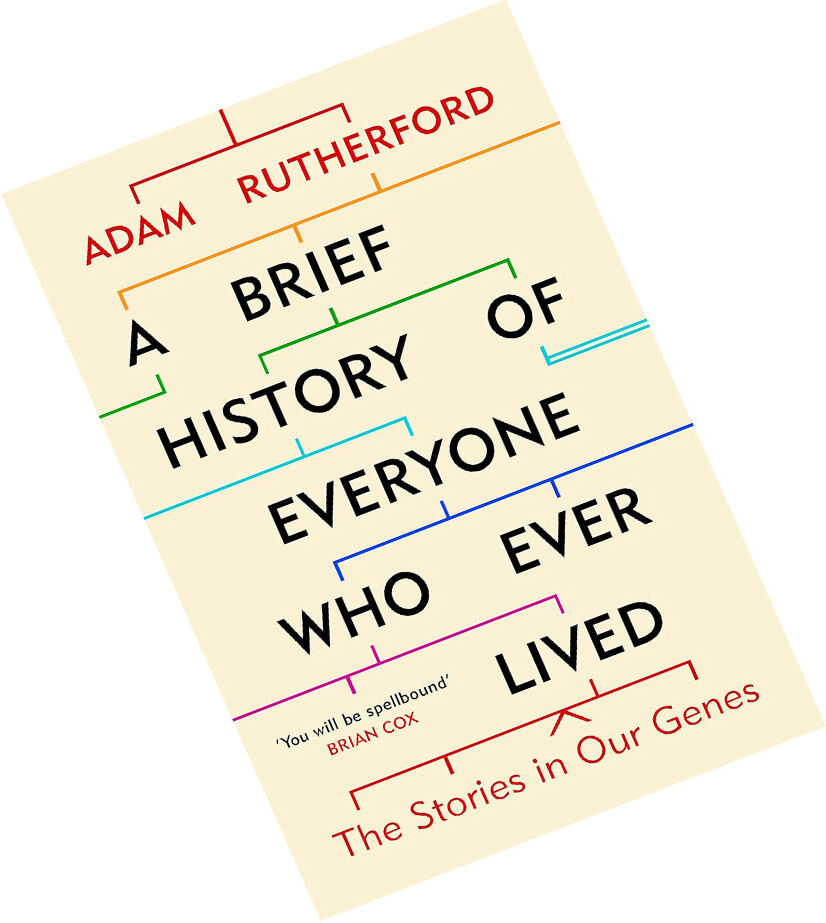
Weidenfeld & Nicolson A Brief History of Everyone Who Ever Lived by Adam Rutherford - Paperback - Popular Science Genetics BestsellerA Brief History of Everyone Who Ever Lived is a captivating exploration of what our DNA reveals about the shared story of humanity. Geneticist and broadcaster Adam Rutherford blends cutting-edge genetics with history to trace migration, disease, war, and love through the code written into every cell. This book is a tour through the expanding landscape of genetic science, showing how our genes encode the history of our species: births, deaths, disease, famine, migration, and countless generations of reproduction. Rutherford examines what genetics can tell us about Neanderthals and our own human history, making this a fascinating read for anyone curious about where we come from and what makes us human. Published by Weidenfeld & Nicolson, this paperback book is a record of an extraordinary journey, and every human genome is a testament to the shared story of our species.4,99 £*Shipping: 2,99 £Secure redirect to the provider
-
Orion Gene Eating: The Story of Human Appetite by Dr Giles Yeo - Paperback Popular Science Book on Genetics, Appetite & Diet MythsGene Eating: The Story of Human Appetite is a thought-provoking book by Dr Giles Yeo, a Cambridge geneticist. In this book, Yeo delves into the biology behind hunger, cravings, and weight gain, drawing on two decades of genetic research. He explores the genuine biological mechanisms, including hormones, brain signalling, and inherited genetic variation, that shape how hungry we feel and how our bodies store energy. This book offers a science-backed perspective on appetite, metabolism, and obesity, making it an essential read for anyone looking for clarity on these topics. Written by Dr Giles Yeo, a molecular geneticist, Gene Eating is a well-researched and insightful book that provides a deeper understanding of the complex issues surrounding human appetite.2,99 £*Shipping: 2,99 £Secure redirect to the provider
-
W&N (Weidenfeld & Nicolson) Professor Tim Spector 2 Books Collection Set - The Diet Myth & Identically Different - Paperback Science Books - Gut Health & GeneticsThis 2-book collection set brings together two of Professor Tim Spector's most acclaimed works of popular science. The Diet Myth explores the world of gut bacteria and why fad diets fail, while Identically Different investigates how genes are more flexible than once believed. The books form a compelling pairing for anyone interested in health, biology, and what shapes who we are. The Diet Myth challenges conventional wisdom on fat, calories, vitamins, and nutrients by examining the trillions of microbes living inside us. Drawing on cutting-edge science and the author's pioneering research, this collection offers a thought-provoking look at the complex relationships between our bodies and the world around us. The books are published by Weidenfeld & Nicolson and are in brand new paperback format.8,99 £*Shipping: 2,99 £Secure redirect to the provider
-
Why is the acetone molecule a dipole molecule?
The acetone molecule is a dipole molecule because it has a region of partial positive charge and a region of partial negative charge. This is due to the difference in electronegativity between the carbon and oxygen atoms in the molecule. The oxygen atom is more electronegative than the carbon atom, causing it to attract the shared electrons more strongly and acquire a partial negative charge, while the carbon atom becomes partially positive. This unequal distribution of charge creates a dipole moment in the acetone molecule, making it a dipole molecule. **
-
Is octane a dipole molecule or a nonpolar molecule?
Octane is a nonpolar molecule. This is because it consists of only carbon and hydrogen atoms, which have similar electronegativities and therefore do not create a significant difference in charge distribution within the molecule. As a result, there is no separation of positive and negative charges, making it nonpolar. **
-
How does a hydrocarbon molecule react with an oxygen molecule?
When a hydrocarbon molecule reacts with an oxygen molecule, it undergoes a process called combustion. During combustion, the hydrocarbon molecule combines with the oxygen molecule to produce carbon dioxide and water, releasing energy in the form of heat and light. This reaction is exothermic, meaning it releases more energy than it consumes, making it a key process in many natural and industrial processes, such as burning fossil fuels for energy production. **
-
How do you draw and label a DNA molecule?
To draw a DNA molecule, start by drawing a long, twisted ladder shape with two parallel lines representing the sugar-phosphate backbone. Then, add horizontal lines connecting the two backbones to represent the nitrogenous bases. Label each base (adenine, thymine, cytosine, or guanine) on the appropriate line. Finally, label the 5' and 3' ends of the DNA molecule to indicate the directionality of the strands. **
Similar search terms for Molecule
-
W&N (Weidenfeld & Nicolson) Identically Different: Why You Can Change Your Genes by Professor Tim Spector - Paperback - Popular Science Book on Epigenetics & Genetics for AdultsProfessor Tim Spector's 'Identically Different: Why You Can Change Your Genes' is a groundbreaking work of popular science that challenges what readers thought they knew about heredity. Drawing on decades of research into twins, epigenetics and the microbiome, Spector reveals that our genes are far less fixed than once believed. This paperback is ideal for science-curious adults, students of biology and medicine, and anyone wanting to understand how lifestyle and environment can reshape who we become, physically and behaviourally, across a lifetime. As one of the world's leading experts on twin studies, Tim Spector spent years comparing identical twins who share exactly the same DNA yet often lead startlingly different lives, developing different diseases, personalities and even political views. In 'Identically Different', he uses this research to explore the complex relationship between genetics and lifestyle, offering a fresh perspective on the nature of heredity and the potential for personal change. Published by W&N; (Weidenfeld & Nicolson), this book is a thought-provoking read for anyone interested in the latest scientific discoveries and their implications for our understanding of the human experience.2,99 £*Shipping: 2,99 £Secure redirect to the provider
-
Actafarma Revidox DNA 28Nutrition and Supplements Special supplements Actafarma Revidox DNA 28 What is Actafarma Revidox DNA? Actafarma Revidox DNA is a cutting-edge dietary supplement designed to act at the cellular level and combat aging from within. Thanks to its advanced formula, which includes resveratrol , red grape extract (Stilvid) , and other powerful antioxidants, this product helps protect cellular DNA from oxidative damage caused by free radicals. This supplement helps maintain cellular health, promotes longevity, and improves the appearance of the skin, providing a comprehensive solution for those who want to preserve their youth naturally and effectively. Its antioxidant action makes it one of the most innovative products in current nutricosmetics. Who is it for? Actafarma Revidox ADN is indicated for: Adults seeking to prevent premature aging and improve cellular health. Those who wish to complement their beauty routine with an internally acting product. Men and women concerned about the effects of oxidative stress on their bodies. People exposed to factors such as pollution, stress, or poor diet, which accelerate cellular aging. Individuals who wish to protect their DNA and improve their overall long-term well-being. How do I apply it? Using Actafarma Revidox DNA is very simple. Just follow these instructions: Take 1 capsule daily, preferably in the morning with a glass of water. It is recommended to maintain a consistent daily intake for visible medium- and long-term results. Do not exceed the recommended dose unless professionally directed. It can be taken year-round or in treatment cycles according to individual needs. Use of the product. Actafarma Revidox DNA acts as a deep cellular antioxidant , offering key benefits such as: Protects DNA from oxidative damage caused by free radicals. Helps maintain youthful, radiant, and better-textured skin. Supports the immune system and overall well-being. Helps delay the signs of premature aging at the cellular level. Patented formula (Stilvid) with clinical studies supporting its effectiveness. Buy Actafarma Revidox DNA If you're looking for an effective and natural way to care for your skin, your cellular health, and combat aging from within, Actafarma Revidox ADN is your best ally. Its innovative composition with resveratrol and natural extracts guarantees superior and long-lasting antioxidant action. Actafarma Revidox DNA has become a benchmark in anti-aging care thanks to its exclusive, patented formula , backed by scientific studies. It's ideal for those who want to take care of their body from the inside out, with visible results on the outside. Advantages of buying Actafarma Revidox ADN: Combats aging from the core of the cell. Natural and scientifically backed formula. Just one capsule a day, easy to integrate into your routine. Visible improvement in skin, energy, and overall well-being. High-quality product from the renowned brand Actafarma. Don't wait any longer to include Actafarma Revidox DNA in...32,77 £*Shipping: 3,99 £Secure redirect to the provider
-
DK Seriously Brilliant Biology 3 Books Collection Set - The Body Book, The DNA Book & The Bacteria Book - Hardback - Ages 7-9 - Science Gift SetThe DK Seriously Brilliant Biology 3 Books Collection Set includes The Body Book, The DNA Book, and The Bacteria Book. Written for children aged 7-9, each title breaks down a big biological topic into bite-sized, illustrated chunks. The set covers human anatomy, genetics, and microbiology, making it a great addition to any home library or classroom shelf. The Body Book explores human anatomy, including the brain, skeleton, and immune system, while The DNA Book delves into the molecule found in every living thing. The Bacteria Book completes the set, offering a comprehensive look at microbiology. The books are written and reviewed by real science communicators, including bestselling author Steve Mould, to ensure accurate and engaging information for young scientists.12,99 £*Shipping: 2,99 £Secure redirect to the provider
-
Why is the depicted DNA molecule only a model?
The depicted DNA molecule is only a model because it is a simplified representation of the complex structure of DNA. In reality, DNA is a three-dimensional molecule that twists and folds in intricate ways. The model shows the basic double helix structure of DNA, but it does not capture all the details and variations that exist in real DNA molecules. Additionally, the model may use colors or other visual aids to represent different components of DNA, which further emphasizes its simplified nature. **
-
What is a molecule?
A molecule is a group of atoms bonded together, representing the smallest fundamental unit of a chemical compound that can take part in a chemical reaction. These atoms can be of the same element or different elements, and they are held together by chemical bonds. Molecules can vary in size and complexity, from simple diatomic molecules like oxygen (O2) to large and complex molecules like DNA. **
-
Ionic bond or molecule?
An ionic bond is formed when one atom transfers electrons to another atom, resulting in the formation of positively and negatively charged ions that are held together by electrostatic forces. On the other hand, a molecule is formed when two or more atoms share electrons to achieve a stable electron configuration. Therefore, the main difference between an ionic bond and a molecule is the way in which atoms are held together - through transfer of electrons in an ionic bond, and through sharing of electrons in a molecule. **
-
How can one recognize if a molecule is a dipole-dipole molecule?
One can recognize if a molecule is a dipole-dipole molecule by examining the electronegativity difference between the atoms in the molecule. If there is a significant difference in electronegativity between the atoms, causing an uneven distribution of electron density, the molecule is likely a dipole. Additionally, if the molecule has a symmetrical shape that cancels out the dipole moments of individual bonds, it is less likely to be a dipole-dipole molecule. Experimentally, dipole-dipole interactions can be identified through techniques such as infrared spectroscopy or measuring the molecule's dipole moment. **
* All prices are inclusive of VAT and, if applicable, plus shipping costs. The offer information is based on the details provided by the respective shop and is updated through automated processes. Real-time updates do not occur, so deviations can occur in individual cases. ** Note: Parts of this content were created by AI.